
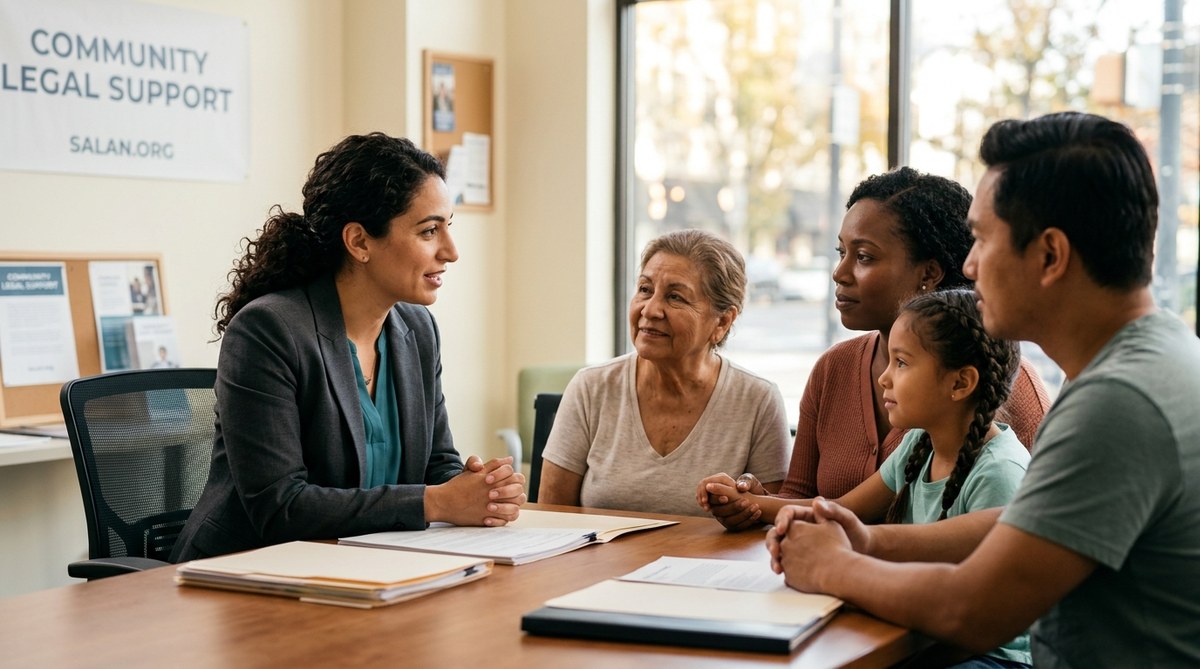
How Legal Aid Supports Vulnerable Communities
Opening paragraph:
Justice is not a luxury reserved for the privileged. For vulnerable communities facing housing insecurity, domestic violence, unfair labor practices, or environmental harms, legal aid can be a lifeline that opens doors to safety, stability, and fair treatment. At salan.org, we champion justice by highlighting how accessible, expert legal assistance and rights-driven advocacy translate into real outcomes. This article dives into how legal aid works, who it serves, and why it matters for building stronger, more resilient communities.
What is Legal Aid and Why It Matters
Legal aid is the provision of free or low cost legal services to people who cannot afford representation in civil matters. While the right to an attorney exists in criminal cases in many places, civil cases rarely come with guaranteed legal help. That gap is where legal aid organizations step in, offering advice, representation, and advocacy to protect basic rights and promote fair treatment.
Core services provided by legal aid
- Free or low cost legal advice and information
- Legal consultation and education to empower self representation when appropriate
- Case management and coordination across agencies
- Representation in court or administrative tribunals
- Settlement facilitation and alternative dispute resolution
- Guidance on rights and resources for vulnerable populations
Who qualifies for legal aid
- Individuals with limited income or assets
- People facing housing instability, eviction, or unsafe housing conditions
- Survivors of domestic violence or abuse
- Immigrants and newcomers navigating complex systems
- Workers facing wage theft, unsafe work environments, or discrimination
- People dealing with health care, disability rights, or education access issues
- Communities affected by environmental hazards or policy decisions
In practice, eligibility often weighs both financial need and the presence of risk factors that amplify hardship. Legal aid programs also prioritize groups with heightened vulnerability, including children, older adults, people with disabilities, and those experiencing poverty or unstable housing. The goal is simple but powerful: ensure that the justice system does not exclude anyone because of their means.
How Legal Aid Supports Vulnerable Communities
Legal aid touches every corner of daily life where rights are at stake. It is not only about courtroom victories but also about stability, prevention, and the long term well being of families and neighborhoods.
By sector and impact
- Housing and homelessness prevention
- Stop unjust evictions
- Resolve housing code violations
- Help renters access safe, affordable housing
- Family law and child welfare
- Protect custody rights and parental responsibilities
- Address abuse and safety planning
- Navigate separation, divorce, and financial support
- Domestic violence and safety
- Secure protective orders
- Connect survivors with housing assistance, counseling, and safety planning
- Workers rights and economic justice
- Challenge wage theft, unpaid overtime, and unsafe conditions
- Advocate for fair scheduling, benefits, and whistleblower protections
- Provide guidance on unemployment, disability, and workers compensation
- Immigration and civil status
- Assist with visas, asylum, and residency concerns
- Answer questions about legal rights in schools, clinics, and workplaces
- Health, disability, and education access
- Ensure accessible health care decisions and disability accommodations
- Help families navigate school enrollment, special education, and transportation
- Environmental rights and environmental justice
- Address pollution exposure and community health harms
- Advocate for stronger protections and accountability for polluters
- Provide avenues for public participation in environmental decision making
- Digital rights, consumer protection, and online spaces
- Combat unfair digital practices impacting low income users
- Ensure fairness in online markets, data privacy, and consumer protections
- Support communities facing predatory practices in digital gambling and other arenas
Case outcomes matter, but so do the processes that lead to them. Legal aid clinics train clients to understand their rights, prepare documents, and participate meaningfully in decisions that affect their lives. The aim is to create a more transparent and responsive justice system that serves everyone, not just those who can afford expensive lawyers.
Legal Aid in Action: Real World Examples
To bring these ideas to life, consider three real world scenarios where legal aid can and does make a decisive difference.
Protecting victims of domestic violence and family safety
- Emergency protective orders and safety planning
- Custody and visitation arrangements that prioritize the child’s safety
- Assistance with housing and financial stability after leaving an abusive environment
- Referrals to support services such as counseling, shelters, and legal clinics
Environmental justice and pollution rights
- Community complaints about contaminated air or water and exposure risks
- Legal challenges to permit approvals that fail environmental standards
- Coordinated advocacy for stronger enforcement and transparent reporting
- Education campaigns that inform residents about their rights and reporting channels
Digital fairness and consumer protections
- Addressing predatory contracts and deceptive online practices
- Ensuring accessibility features for digital platforms used by seniors and people with disabilities
- Advocating for clear terms, price fairness, and fair dispute resolution mechanisms in online markets
- Monitoring and reporting instances of online gambling practices that exploit vulnerable users
Access to Justice as a Rights Issue
Access to justice is not a luxury; it is a fundamental aspect of human rights. When communities cannot access legal help, problems like eviction, exploitation, and discrimination compound, making it harder to escape poverty or protect health and safety. The barriers are real and varied:
- Financial barriers: Even modest legal fees become insurmountable
- Knowledge gaps: People often do not know their rights or how to navigate the system
- Language and cultural barriers: Translation, cultural understanding, and trust affect engagement
- Geography and transportation: Rural or underserved areas may lack a nearby legal aid office
- Systemic bias: Implicit disparities in how people are treated by courts and agencies
To overcome these barriers, legal aid organizations implement:
– Pro bono collaborations that extend reach
– Multilingual services and culturally competent staff
– Community outreach events in neighborhoods and schools
– Remote or virtual legal services to reach people who cannot travel
– Plain language resources that explain rights, processes, and options
The result is not only resolving a single case but strengthening the community’s ability to engage with institutions, access benefits, and participate in public life.
The Policy Bridge: Grassroots Advocacy and Legal Aid
Legal aid is not only about solving individual problems; it is a powerful catalyst for changing laws, policies, and institutional practices that affect entire communities. Grassroots advocacy and collaboration with NGOs, faith groups, tenant associations, labor unions, and environmental organizations help drive systemic improvements.
Grassroots policy change
- Identifying recurring injustices through case data and community stories
- Mobilizing community members to testify at hearings and participate in public comment periods
- Drafting policy proposals that address root causes of disputes
- Monitoring implementation to ensure policies produce the intended outcomes
Partnerships with NGOs and community organizations
- Sharing knowledge and resources across sectors to support integrated solutions
- Coordinating referrals for wraparound services such as housing, healthcare, and education
- Amplifying voices of those directly affected by legal gaps
Through these collaborations, legal aid becomes a platform that elevates community concerns, shapes policy agendas, and helps governments and institutions respond more effectively to the needs of those most at risk.
How to Engage with Salan.org
If you want to learn more about how legal aid shapes justice and how you can contribute, here are practical ways to engage:
- Read in depth analysis on civil legal services and rights based advocacy
- Subscribe to updates about housing, family safety, and environmental justice campaigns
- Join online discussions or attend community forums focused on access to justice
- Volunteer your time or expertise to support outreach, translation services, or legal clinics
- Donate to support free or low cost legal services for vulnerable populations
Salan.org exists to champion justice through informative content, practical guidance, and a platform for civil society to come together around shared rights. Your involvement strengthens every facet of the movement toward fairer, more equitable systems.
Measuring Impact and Accountability
Impact is more than courtroom wins. It includes prevention, empowerment, and systemic change. To ensure accountability and continued improvement, legal aid programs often measure:
- Access metrics: number of clients served, wait times, and geographic reach
- Service quality: client satisfaction, outcomes achieved, and follow up support
- Safety outcomes: reductions in domestic violence risk, secure housing, and improved access to essential services
- Economic impact: wage recovery, improved employment opportunities, and reduced reliance on social services
- Policy influence: adoption of new laws, stronger enforcement, and better public participation
At salan.org we emphasize transparent reporting of outcomes, stories of resilience, and data that demonstrates how legal aid reduces harm and expands opportunities for vulnerable communities.
Getting Involved: Donors, Volunteers, Advocates
Support for legal aid comes from many quarters, and every contribution helps expand access to justice. Consider these avenues:
- Financial contributions to sustain free legal clinics and outreach programs
- Volunteer service, including:
- Legal aid clinic assistance
- Translation and interpretation for non English speakers
- Administrative and outreach support at community events
- Advocacy engagement, such as:
- Participating in public policy campaigns
- Elevating survivor voices and community experiences
- Facilitating training sessions on rights awareness and process navigation
- Partnerships with businesses and philanthropic organizations to fund systemic improvements and pilot programs
Your involvement makes it possible to reach more people, resolve more cases, and push for policies that protect rights and reduce vulnerabilities.
The Impact of Legal Aid on Communities
The ripple effects of robust legal aid programs are wide and meaningful. When people understand their rights and can access competent legal help, communities experience:
- More stable housing and safer living environments
- Stronger family structures and healthier child outcomes
- Fair labor practices and dignity in the workplace
- Access to essential health and education services
- Stronger participation in civic processes and policy development
- Reduced environmental harms through informed advocacy and accountability
Salan.org believes that justice is a collective enterprise. By supporting legal aid, donors, volunteers, and advocates invest in a fairer economy, a healthier environment, and a more inclusive social fabric.
Case for a Rights Based Approach to Justice
A rights based approach treats access to legal aid as a core civil right rather than a charitable gift. This perspective guides practice and policy by:
- Centering the dignity and autonomy of every person seeking help
- Prioritizing autonomy and informed consent in all legal processes
- Ensuring transparency about services, costs, and expected outcomes
- Advocating for systemic reforms that prevent recurring problems rather than only addressing symptoms
- Recognizing the voices of those most affected in policy design and implementation
When legal aid is grounded in rights, it becomes a durable engine for social progress rather than a one off intervention.
Practical Tips for Individuals Seeking Help
If you or someone you know could benefit from legal aid, consider these steps:
- Find a local legal aid office or clinic and verify eligibility requirements
- Gather relevant documents such as leases, pay stubs, medical records, and correspondence
- Prepare a brief summary of your issue, including dates and key events
- Ask about language support and accessibility options to ensure clear communication
- Inquire about timelines and possible alternatives if immediate representation is not available
- Seek referrals to support services that complement legal aid, such as housing assistance, counseling, or social services
Taking these steps can empower you to move forward with clarity and confidence, even in challenging circumstances.
Conclusion: Justice Is a Shared Responsibility
Legal aid is a cornerstone of a just and resilient society. It enables vulnerable communities to defend their rights, access essential services, and participate fully in the civic life that shapes their futures. By weaving together direct legal services, strategic advocacy, and grassroots policy work, salan.org highlights how justice can be both accessible and transformative. Whether your interest lies in protecting a family, safeguarding a neighborhood from environmental harm, or ensuring fair treatment in digital spaces, your engagement matters.
Join us in advocating for stronger access to civil legal services, more inclusive systems, and policies that reflect the dignity and rights of all people. Together, we can turn the promise of justice into a lived reality for every community we serve.
Appendix: Quick reference on key terms
– Legal aid: Free or low cost legal services for those who cannot afford full representation
– Access to justice: The rights and ability to use legal processes to resolve disputes and protect rights
– Civil legal services: Legal help addressing non criminal matters like housing, family law, and consumer rights
– Grassroots advocacy: Local level community organizing to influence policy and practice
– Environmental justice: Fair treatment and involvement of all people regarding environmental laws and policies
If you would like more targeted content on a specific issue such as digital gambling fairness or environmental pollution as a rights issue, tell us and we will expand with tailored insights and actionable guidance.