
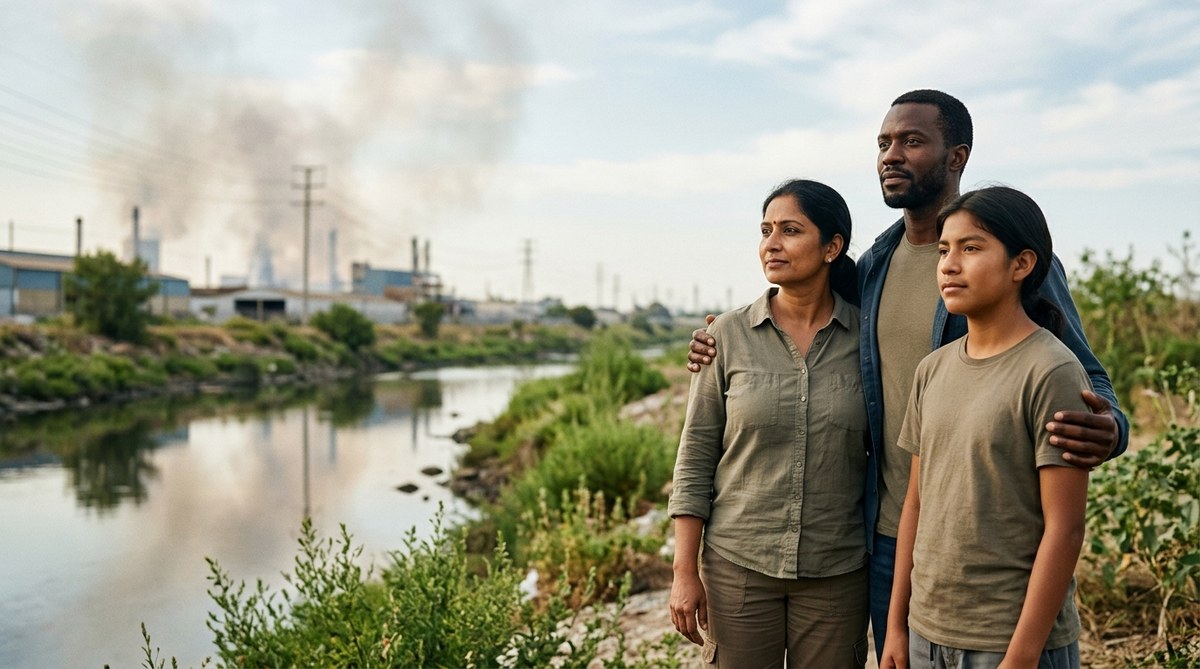
Environmental Pollution as a Human Rights Issue
Pollution is not simply an environmental concern. It is a rights issue that cuts across health, housing, work, water, and the right to participate in decisions that affect one’s life and future. When pollutants foul air, water, soil, and food, the most vulnerable communities often bear the heaviest burden. Children with asthma, families living near waste sites, workers exposed to hazardous substances, and Indigenous communities defending their ancestral lands all face threats that go beyond environmental degradation. At salan.org, we view environmental pollution as a human rights issue because it undermines the basic guarantees every person deserves: health, safety, dignity, and access to justice. This article explores how pollution becomes a matter of rights, the legal and moral grounds for accountability, and practical paths for communities to demand change.
Understanding the link between environmental pollution and human rights
Environmental pollution touches many facets of daily life. It contaminates the air we breathe, the water we drink, the soil we farm, and the environments in which we learn, work, and raise families. When rights are violated by pollution, the consequences ripple outward in complex ways. Here is how the connection typically unfolds.
Why pollution threatens core human rights
- The right to health: exposure to contaminated air and water increases illness and reduces life expectancy.
- The right to life and security: extreme pollution can cause deadly outcomes, particularly for the elderly and children.
- The right to water and sanitation: polluted rivers and groundwater undermine essential life supports.
- The right to an adequate standard of living: pollution harms housing conditions, livelihoods, and economic opportunity.
- The right to information and participation: communities have a right to know what pollutes them and to participate in decisions about local environments.
- The right to remedy and accountability: when harm occurs, individuals and communities deserve access to fair processes to seek redress.
The rights that are most directly at stake
- Right to health and life: safeguarding communities from toxic exposures.
- Right to a safe environment: a clean air, water, soil and a livable climate.
- Right to information: timely, accurate disclosure about pollutants and risks.
- Right to participate: meaningful involvement in environmental decision making.
- Right to non discrimination: ensuring that low income and marginalized communities are not unfairly bearing pollution burdens.
- Right to remedy: access to legal and policy avenues for redress and reparations.
The unequal burden on marginalized communities
- Proximity and exposure: polluting facilities are often located near low income neighborhoods and Indigenous lands.
- Economic vulnerability: fewer resources to relocate or pursue costly legal challenges.
- Information gaps: limited access to independent testing and legal advice.
- Political marginalization: less influence in policy debates and enforcement regimes.
The role of climate change in amplifying rights violations
Climate change intensifies pollution risks and creates new challenges for rights enforcement. For example:
– Heat waves can worsen air pollution and heat related illnesses.
– Extreme weather disrupts water supplies, triggering contamination events.
– Displacement due to climate impacts can erode housing rights and access to services.
– Transition policies must protect workers and communities currently dependent on polluting industries.
The legal framework that binds environment and rights
Right now, many international and national instruments recognize that protecting the environment is inseparable from protecting human rights. This section provides a roadmap of the main pillars that connect environment with rights.
International law and the right to a healthy environment
- Universal recognition: In recent years the international community has increasingly acknowledged a human right to a clean, healthy, and sustainable environment.
- Non discrimination: International law emphasizes that pollution harms may disproportionately affect marginalized groups and must be addressed so that everyone can enjoy equal protection.
- State obligations: States have a duty to regulate and enforce environmental protections, to prevent harm, and to provide remedies when rights are violated.
Regional and domestic instruments
- Aarhus Convention: Ensures public access to information, participation in decision making, and access to justice in environmental matters.
- National constitutions and courts: Many countries have constitutional provisions or court precedents recognizing environmental protection as integral to human rights and the duty to safeguard a healthy environment.
- Access to remedy: Courts and independent bodies should be available for communities seeking accountability for pollution related harm.
The right to participate and informed consent
- Public participation is not a luxury; it is a legal and ethical necessity.
- Free, prior, and informed consent (FPIC) is especially relevant when pollution projects affect Indigenous territories and cultural heritage.
- Meaningful participation improves policy quality and ensures that vulnerable groups can voice concerns before decisions are finalized.
The role of accountability mechanisms
- Independent monitoring: communities deserve reliable data on pollution levels and health impacts.
- Corporate accountability: polluting companies should be held responsible for harms and mandated to prevent future incidents.
- Remedies and reparations: victims should have access to compensation, medical care, and remediation measures.
Case studies: pollution and rights in action
Real world examples illustrate how environmental pollution translates into human rights concerns and the practical challenges of seeking redress.
Industrial pollution in residential areas
In many cities, factories adjacent to neighborhoods contribute to air and water contamination. Residents report increased respiratory problems, headaches, and concerns about long term health risks. The rights at stake include the right to health, to information, and to remedy. Communities sometimes organize health studies, petition authorities, and pursue nuisance or environmental impact claims. Success hinges on transparent data, credible experts, and accessible legal avenues.
Water contamination and Indigenous lands
Indigenous communities often rely on rivers, lakes, and groundwater for sustenance, culture, and livelihoods. Pollution from mining, processing, or agriculture threatens not only health but cultural preservation. The right to water and cultural rights converge here, along with the duty of states to consult and protect sacred sites. Legal strategies include asserting rights to clean water and invoking treaty or constitutional protections where applicable.
Air pollution in rapidly growing urban areas
Urbanization often accompanies increased emissions from vehicles, industry, and energy production. Poor air quality contributes to asthma, cardiovascular diseases, and lost school or work days. Rights involved include health, life, and the right to a safe environment. Community groups may use monitoring data, health statistics, and policy arguments to push for stronger emissions controls and green infrastructure.
Hazardous waste and worker rights
Workers in waste management or factories handling hazardous substances face occupational exposures that risk long term health. In such scenarios the rights to life, health, safe working conditions, and information become central. Enforcement may involve labor inspectors, health authorities, and environmental agencies, along with worker-centered advocacy.
How communities can respond and organize
Empowerment starts with knowledge, practical steps, and supportive networks. Below is a toolkit for communities facing pollution related human rights challenges.
Step by step guidance for communities
- Gather credible data
- Collect air, water, soil tests if possible.
- Document health impacts, incidents, and patterns in the community.
- Build relationships with independent scientists or NGO partners.
- Map stakeholders
- Identify polluting entities, government agencies, community groups, and media partners.
- Understand decision making and appeal channels.
- Document and communicate
- Create clear, accessible materials for residents.
- Translate technical findings into understandable information for all ages and languages.
- Seek legal and policy remedies
- Explore administrative complaints, environmental impact assessments, or ombuds mechanisms.
- Consider civil rights, environmental law, and public health avenues.
- Engage the public and media
- Hold town hall meetings, publish open letters, and share stories of impact.
- Use social media and local press to raise awareness and generate support.
- Build coalition power
- Partner with labor unions, faith groups, universities, and human rights organizations.
- Align with broader climate justice and environmental justice campaigns.
- Pursue remedies and accountability
- Seek injunctions to stop ongoing pollution.
- Pursue remediation plans, health care for affected residents, and financial compensation if warranted.
- Monitor progress
- Establish independent monitoring to track pollution and health outcomes.
- Regularly publish progress reports and adjust strategies as needed.
Legal avenues worth exploring
- Administrative and regulatory enforcement: filing complaints with environmental agencies; requesting investigations and penalties for violations.
- Public interest litigation: using the courts to challenge illegal pollution and demand remedial action.
- Human rights based litigation: framing pollution harms as rights violations and seeking remedies under constitutional or international human rights law.
- Access to information procedures: requesting data on emissions, permits, and enforcement actions.
- Informal justice routes: community ombuds processes, mediation, or negotiated settlements with polluting entities when appropriate.
How to work with experts and allies
- Bring in independent scientists for credible assessments.
- Partner with lawyers who specialize in environmental and human rights law.
- Tap into local universities for research and student interns.
- Leverage international human rights bodies and mechanisms when local avenues are exhausted.
Policy recommendations for a just transition
While communities fight for immediate relief, lasting change requires stronger policy action. Here are core recommendations that align with human rights standards.
Strengthen regulation and enforcement
- Tighten emissions and discharge limits based on best available technology and health impacts.
- Expand monitoring networks with independent data sources.
- Increase penalties for violations to deter repeat offenses.
- Ensure that enforcement is non discriminatory and accessible to affected communities.
Guarantee robust public participation
- Require meaningful community engagement in all environmental decision making.
- Provide free access to information in multiple languages and formats.
- Guarantee FPIC where Indigenous lands and rights are implicated.
- Provide community representatives with financial and technical support to participate effectively.
Advance corporate accountability
- Mandate transparent reporting of pollutants and supply chain hazards.
- Tie environmental liability to product and corporate responsibility.
- Require immediate remediation plans when harm is detected.
- Establish clear pathways for victims to seek compensation.
Protect and expand the right to remedy
- Create accessible legal aid and pro bono services for pollution victims.
- Fund health screenings and long term care for communities exposed to toxins.
- Ensure courts and tribunals provide timely decisions and adequate remedies.
- Develop reparation programs including environmental cleanup and ongoing monitoring.
Promote a just transition for workers and communities
- Provide retraining and employment opportunities in clean energy and green industries.
- Support community led redevelopment of degraded sites.
- Ensure social safety nets during transitions away from polluting industries.
How salan.org supports rights and advocacy
Salan.org is dedicated to legal aid and human rights advocacy. We offer resources that help everyday people understand their rights, connect with legal aid, and organize for policy change.
What we offer
- Legal aid guidance for environmental rights cases
- Step by step guidance on how to start a rights based pollution case.
- Checklists for documenting evidence and preparing for hearings.
- Advocacy resources
- Toolkits for community campaigning and policy engagement.
- Templates for public comments, petitions, and media outreach.
- Research and education
- Explanations of key rights and international instruments in plain language.
- Case studies showing successful community led campaigns.
- Community storytelling and support
- Platforms for sharing experiences and strategies.
- Connections to NGOs, law firms, and academic partners.
How to get involved with salan.org
- Submit a legal aid request if you or your community is facing pollution related rights harms.
- Join our advocacy newsletter to stay informed about policy developments and action opportunities.
- Partner with us on research projects, community training sessions, and outreach campaigns.
- Follow our blog for practical guides, case updates, and rights based analysis.
A practical toolkit for communities facing pollution harms
- Create a clear message
- Clarify which rights are at stake and how pollution affects daily life.
- Use plain language and real stories to communicate impacts.
- Build a transparent evidence base
- Collect environmental data and health information.
- Seek independent testing and verify results with trusted experts.
- Engage decision makers
- Schedule meetings with local officials, environmental agencies, and health authorities.
- Prepare a concise briefing that links data to rights concerns.
- Protect the vulnerable
- Ensure accessibility for children, the elderly, and people with disabilities.
- Provide information in multiple languages and formats.
- Seek broad support
- Involve faith groups, schools, unions, and community organizations.
- Invite media coverage to elevate the issue.
- Pursue remedies
- Demand immediate action to reduce exposures.
- Seek long term remediation plans and health support for affected residents.
- Document progress
- Maintain ongoing monitoring results and publish updates.
- Track enforcement actions and outcomes to ensure accountability.
The path forward: turning recognition into real change
Acknowledging that environmental pollution is a human rights issue is only the first step. The real work lies in translating that recognition into protections, remedies, and a just transition for communities. This means stronger laws, better enforcement, meaningful public participation, robust corporate accountability, and accessible remedies for those harmed. It also means supporting grassroots movements with legal aid, resources, and strategic guidance so communities can hold polluters and governments accountable.
At salan.org, we believe justice is possible when rights are actively defended and shared by all. Environmental health and justice are not optional extras; they are fundamental to a fair and humane society. By bridging environmental policy with human rights advocacy, we can advance solutions that protect health, safeguard livelihoods, and empower communities to shape their own futures.
If you are part of a community affected by pollution or you want to learn more about how to advocate for environmental rights, reach out to salan.org. Our team is ready to provide legal aid guidance, helpful resources, and practical strategies to pursue justice and ensure a cleaner, healthier environment for everyone.
Appendix: Key terms and quick references
- Environmental justice: fair treatment and meaningful involvement of all people with respect to environmental laws, policies, and practices.
- Right to a healthy environment: the principle that everyone has the right to live in an environment that supports their health and well being.
- Access to information: the right to obtain information about environmental hazards, pollutants, and potential risks.
- Free, prior, and informed consent FPIC: a process ensuring Indigenous communities are consulted and their rights protected before projects proceed.
- Public participation: involvement of communities in planning, decision making, and oversight of environmental matters.
- Remedy and redress: legal and policy mechanisms that compensate victims and repair harms caused by pollution.
Endnotes and further reading
- For readers seeking deeper exploration of the human rights framework around the environment, consult international human rights bodies and regional instruments for environmental protection and citizen participation.
- Consider case studies that highlight successful community led actions against pollution and the lessons learned for future campaigns.
Through ongoing education, strategic advocacy, and accessible legal support, salan.org remains committed to advancing environmental justice as a core human rights issue. By centering affected communities and insisting on transparent governance and corporate accountability, we can build a safer and healthier world for all.